
 SVG
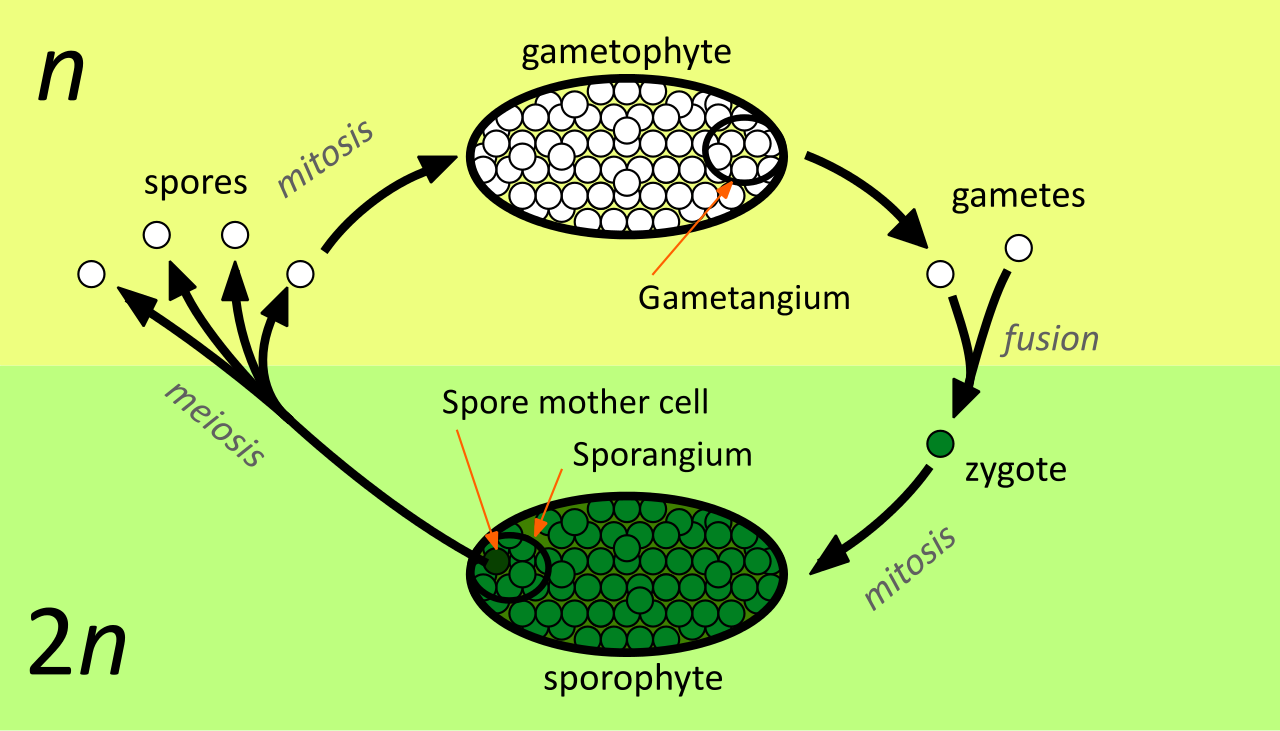
SVGAlternation Of Generations
The molecular machinery of the central dogma governs genetic storage, replication, transcription, and translation in living systems.
 SVG
SVGAngiosperm Life Cycle
Photosynthetic autotrophs convert solar radiant energy into chemical energy stored in organic carbohydrates.
 SVG
SVGDiplohaplontic
This detailed scientific diagram illustrates Diplohaplontic in the context of Plant Biology.
 SVG
SVGGymnosperm Life Cycle
life cycle of a conifer a gymnosperm based on this image https://commons.wikimedia.org/wiki/File:Angiosperm_life_cycle_diagram-en.svg https://commons.wikimedia.org/wiki/File:Pine_organs_and_tissues.svg https://commons.wikimedia.org/wiki/File:Pinus_zweig_mit_männlichen_blüten.png https://commons.wikimedia.org/wiki/File:Strobilo_e_Pigna.jpg
 SVG
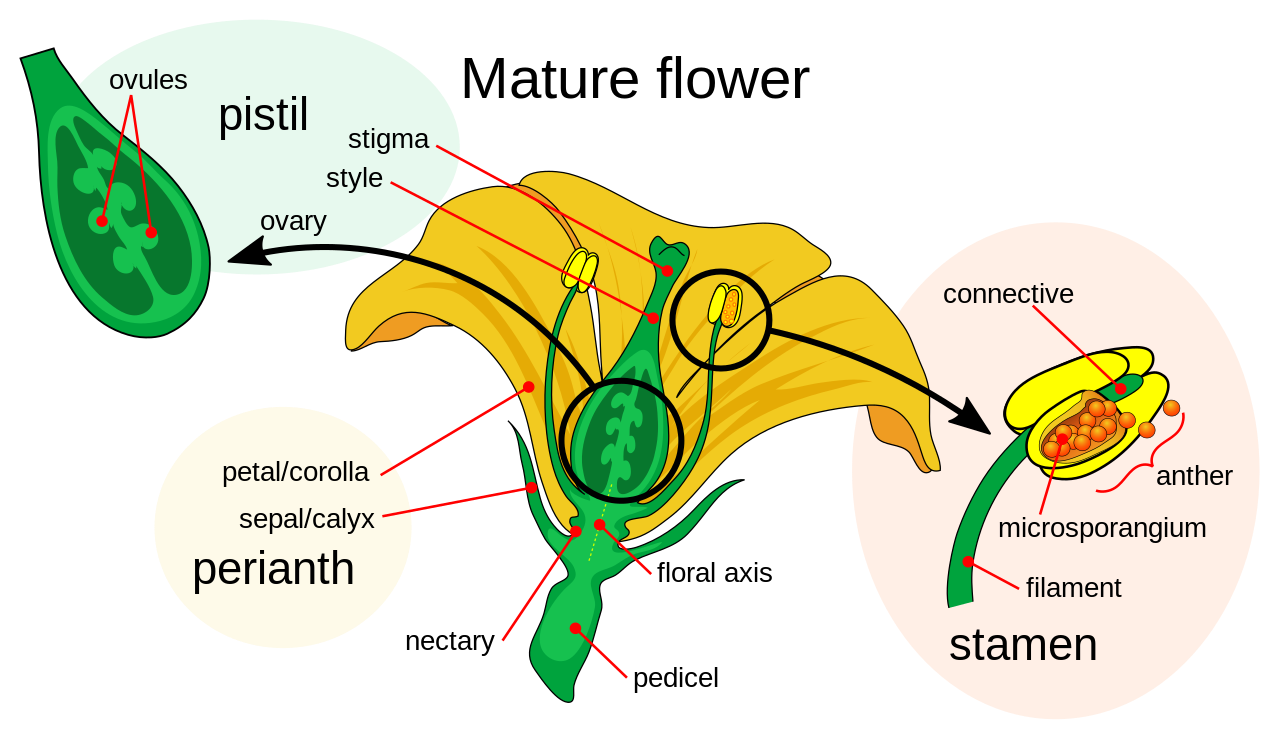
SVGMature Flower
This detailed scientific diagram illustrates Mature Flower in the context of Plant Biology.
 SVG
SVGMoss Life Cycle
illustrated life cycle of Polytrichum sp. 1) the sporophyte 2) the spores 3) the spores germinate into a protonema 4) antheridia 5) archegonia 6) fertilization
 SVG
SVGOrchid Reproductive Anatomy
Orchid reproductive anatomy, using a Brassia. The flower is adapted for insect pollination. Male (stamen) and female (stigma, style) parts are fused to form a column. The anther is specialised with a sticky viscidium to attach to a visiting insect; a caudicle supports two pollinia, which contain all the pollen grains. The anther is covered by a cap that prevents self-fertilisation; it detaches whe
 SVG
SVGCambial Variants (Anomalous Secondary Growth) Fig. 8.7.1 Machaerium (In Spanish)
"Fig. 8.7. Stems fo lianas that show a combination of cambial variants. machaerium combines flattened stems with succesive cambia. Mendoncia has interxylary phloem, plus fragmentation of the cambium into segments. Thinouia has a kind of succesive cambial activity (origin of strands of vascular tissue in cortex) plus lobed stems". "(in Fig. 8.4) Conventions for this and other figures in this chapter: black phloem, blank (with circles indicating vessels) xylem; stippled axial parenchyma, vertical or variously diagonal lines in pairs rays."
 SVG
SVGCambial Variants (Anomalous Secondary Growth) Fig. 8.7.2 Mendoncia (In Spanish)
"Fig. 8.7. Stems fo lianas that show a combination of cambial variants. machaerium combines flattened stems with succesive cambia. Mendoncia has interxylary phloem, plus fragmentation of the cambium into segments. Thinouia has a kind of succesive cambial activity (origin of strands of vascular tissue in cortex) plus lobed stems". "(in Fig. 8.4) Conventions for this and other figures in this chapter: black phloem, blank (with circles indicating vessels) xylem; stippled axial parenchyma, vertical or variously diagonal lines in pairs rays."